

Tonic water is, true to its name, a mixer born as medicine, and today it quietly decides whether a gin and tonic sings. From Fever-Tree’s natural quinine and bitter orange and Schweppes’ classic balance since 1783 to n.e.o’s green shikuwasa and gentle Japanese tonic water brands like Suntory, Kodama and Kobe Kyoryuchi, each bottle shifts the bitterness, citrus and fizz in your glass.
Pick the one that matches your mood, and tonight’s gin and tonic may well become your new favorite.
〚 6 Recommended Tonic Waters Brands 〛
What is tonic water ?
Manufacturing method and origin

Photo | Cinchona bark
Tonic water’s bitterness comes from the cinchona, an Andean tree aptly nicknamed the “fever tree.” Quinine from its bark is the backbone of the classic flavor.
Makers blend carbonated water with sugar, citrus peel and botanicals, then add the bitter element. Fever-Tree sources its quinine from the eastern hills of the Democratic Republic of Congo and adds Mexican bitter orange oil.
In Japan, cinchona extract is an approved food additive, though most local brands rely on flavorings. Each label tastes a little different, which makes side-by-side tasting a joy.
History and Birth

True to its name, “tonic” once meant a restorative, and this mixer began life as medicine. Cinchona bark reached Europe in the 1600s, and in 1820 French chemists Pelletier and Caventou isolated quinine.
In 1858, Londoner Erasmus Bond patented the first commercial tonic water. Schweppes launched Indian Tonic Water in 1870, and British officers in India soon paired it with gin.
Early tonics were far more bitter than today’s. As modern antimalarials arrived, quinine became a flavoring, capped by the US FDA at 83 ppm.
How to drink / use

Tonic water is the quiet star behind the Gin & Tonic, and it flatters vodka, rum and tequila just as well. In Japan, the “Sonic,” equal parts soda and tonic, is a bar favorite for a lighter finish.
Espresso tonic offers a zero-proof twist. Chill both glass and bottle, then pour gently down the side to keep every bubble. Quinine-based tonics even glow pale blue under UV light, a fun touch for parties.
Jump to the Gin and Tonic page
Top 6 Tonic Water Brands
3 Premium Tonics | Bitter, Crisp & Classic
Premium Brand Comparison Chart

| Category | Fever-Tree | n.e.o Premium | Schweppes |
|---|---|---|---|
| Aroma | Bright bitter orange | Fresh, green shikuwasa citrus | Clean, light citrus |
| Taste | Crisp with gentle bitterness | Citrus-forward, mild bitterness | Balanced sweet and tangy |
| Features | Natural quinine from Congo | Made in Japan with Okinawan shikuwasa | Classic brand since 1783 |
| Detail | Fever-Tree | n.e.o Premium | Schweppes |
Fever-Tree Premium
The Gold Standard for a Perfect G&T
Country of origin of the brand | England
Taste, Aroma & Features
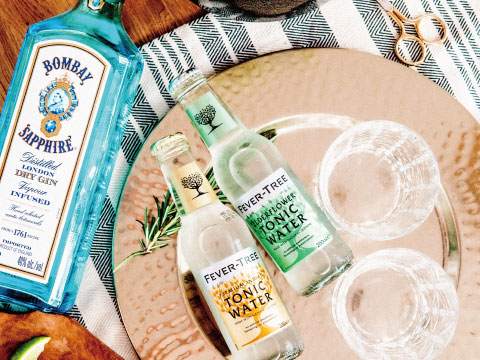
Fever-Tree Premium Tonic Water is true to its name, built around quinine from the “fever tree.” It offers a clean bitterness, gentle sweetness and fine, lively bubbles.
Bright notes of Mexican bitter orange lift every sip. In my bar, this is the tonic I reach for whenever a guest asks for a truly classic G&T.
Origin & History

Fever-Tree was born in London in 2005, founded by Charles Rolls, who once revived Plymouth Gin, and Tim Warrillow. They believed that if premium gin was on the rise, the tonic deserved the same care.
The brand is named after the cinchona’s nickname, the “fever tree.” Their Indian Tonic Water created the premium mixer category and became a bartender favorite worldwide.
How It’s Made & What Sets It Apart
Fever-Tree blends spring water and sugar with natural quinine from the Democratic Republic of Congo. No artificial sweeteners or flavorings are used.
While many tonics rely on flavorings, this natural recipe delivers a cleaner, more refined finish. It’s the perfect partner for premium gin.
n.e.o Premium
Japan’s Citrus Twist on Tonic

Country of origin of the brand | Japan Saga
Taste, Aroma & Features
n.e.o Premium Tonic Water is truly a taste of Japan, from its water to its citrus. Okinawan shikuwasa brings a green, juicy aroma, balanced by gentle sweetness and lively bubbles.
The bitterness stays soft, letting the citrus shine. In my bar, I serve it with gin and skip the lime, because the shikuwasa already does the job beautifully.
Origin & History

n.e.o comes from Tomomasu Beverage in Ogi, Saga, a Japanese soda maker with over a century of history that began with ramune. The brand was developed with a renowned Fukuoka bartender.
It all started with a ginger ale crafted for the perfect Moscow Mule. Its success led to this tonic, designed so anyone can mix a bar-quality G&T at home.
How It’s Made & What Sets It Apart
n.e.o blends purified natural water from Saga’s Tenzan mountains with shikuwasa juice from Okinawa. It’s bottled in glass to keep the flavor and fizz fresh.
Where many tonics are built around bitterness, this one leads with Japanese citrus. The result is a bright, uniquely Japanese twist on the classic G&T.
Schweppes
The Original Tonic Since 1783

Country of origin of the brand | Switzerland Geneva
Taste, Aroma & Features
Schweppes Tonic Water comes from the very brand that bottled the world’s first soft drink. It offers a classic balance of sweetness and tang, with lively, strong bubbles.
Clean citrus notes keep every sip refreshing to the last drop. Whenever I taste a new tonic, Schweppes is the benchmark I compare it to.
Origin & History

Schweppes began in Geneva in 1783, when Jacob Schweppe found a way to bottle carbonated water. He moved to London in 1792, and the brand earned a royal warrant in 1836.
In 1870, Schweppes launched Indian Tonic Water for the British in India, helping the G&T spread worldwide. In Japan, Coca-Cola has offered it since 1999.
How It’s Made & What Sets It Apart
The Japanese version blends fructose-glucose syrup with a gentle bitter note, citrus tang and firm carbonation. Its glass bottle has a screw cap, so the fizz stays fresh.
Compared with craft premium tonics, Schweppes offers a familiar, well-rounded taste at an easy price. It’s a reliable all-rounder for classic cocktails.
Top 6 Tonic Water Brands
3 Japanese Tonics | Mild, Smooth & Easy
Comparison chart of Japanese brands

| Category | Suntory | Kodama | Kobe Kyoryuchi |
|---|---|---|---|
| Aroma | Fresh lemon, lime and orange peel | Light and simple | Zesty, tangy citrus |
| Taste | Crisp, balanced bitterness | Mild bitterness, lively bubbles | Gently bitter, extra fizzy |
| Features | A bar staple in handy cans | Made in Japan, glass bottle | No artificial sweeteners, small can |
| Detail | Suntory | Kodama | Kobe Kyoryuchi |
Suntory
Japan’s Go-To Tonic for Gin

Country of origin of the brand | Japan Oosaka
Taste, Aroma & Features
Suntory Tonic Water was crafted with one clear goal: to be the perfect mixer for gin and other spirits. Bright lemon, lime and orange peel notes lead into a clean, herbal bitterness and firm bubbles.
Its balanced sweetness makes it easy to enjoy every day. I always keep a few cans in my fridge at home, because it never lets a G&T down.
Origin & History

Suntory was founded in Osaka in 1899 by Shinjiro Torii, who later built Japan’s first malt whisky distillery. The company has shaped how Japan drinks ever since.
Its tonic water is made by Suntory Foods and comes in home-size cans, bar-size PET bottles and large dispenser packs. That’s why you’ll find it behind so many Japanese bar counters.
How It’s Made & What Sets It Apart
Suntory blends sugar and fructose-glucose syrup with carbonated water, citrus acidity and flavorings. Its 200 ml can holds about two G&Ts, so every pour tastes freshly opened.
Compared with premium craft tonics, it offers a clean, citrus-forward taste at an everyday price. It’s a smart first pick for home bartenders.
Kodama
Tokyo’s Friendly Retro Tonic

Country of origin of the brand | Japan Tokyo
Taste, Aroma & Features
Kodama Tonic Water tastes just as you’d hope from a maker that started with ramune soda. A light, soda-pop sweetness and aroma meet a gentle touch of bitterness and lively bubbles.
It’s easy to love, even if bitter drinks aren’t your thing. I often recommend it to guests trying their very first gin and tonic.
Origin & History

Kodama Beverage was founded in 1958 in Kamata, Tokyo, as a ramune maker. True to its name, it was named after the Kodama express train that debuted that same year.
After moving to nearby Omori, the company grew into a mixer specialist loved by Tokyo’s local bars, famous for its Vice Sour. Its tonic water and ginger ale joined the lineup in 2003.
How It’s Made & What Sets It Apart
Kodama Tonic Water is crafted by a Tokyo maker that has produced carbonated mixers for decades. It comes in a 250 ml glass bottle with a handy screw cap.
Compared with sharper, more bitter tonics, it stays light and approachable. It’s a lovely choice for gentle highballs and easygoing drinks.
Kobe Kyoryuchi
Bold Fizz, Friendly Price

Country of origin of the brand | Japan Hyougo
Taste, Aroma & Features
Kobe Kyoryuchi Tonic Water carries the name of Kobe’s historic port district. Zesty citrus tang and light bitterness meet strong, crackling bubbles.
Each 185 ml can is made slightly concentrated so it stays bold over ice. For budget-friendly home G&Ts, I truly think it’s the smartest buy.
Origin & History

Tominaga Trading, now based in Kobe, began in 1923 when Jukichi Tominaga opened a business exporting produce and seafood to Southeast Asia. Its sister company launched the Kobe Kyoryuchi brand in 1994.
The brand shares its name with Kobe’s former foreign settlement, a district that existed until 1899. Its motto is simple and warm: a little happiness for you.
How It’s Made & What Sets It Apart
Every Kobe Kyoryuchi product is made in partner factories in Japan. Drawing on its trading network and skipping big ad budgets, the brand keeps quality high and prices low.
The tonic blends fructose-glucose syrup with citrus acidity and flavorings. Compared with premium tonics, it delivers bright, bold fizz at a remarkably friendly price.
Tonic Water FAQ | 5 Common Questions Answered


