

This guide compares the best grenadine syrup brands of 2026, from budget staples to French artisanal picks.
〚 7 Best Grenadine Syrup Brands 〛
About Grenadine Syrup

Production and Characteristics
Grenadine syrup is a non-alcoholic red syrup made from pomegranate juice and sugar. Ingredients vary by brand: some use pomegranate exclusively, while others blend in raspberry, cassis, or elderflower alongside it.
What sets grenadine apart from other syrups is that it does two jobs at once: balancing sweetness against acidity, and giving a cocktail its signature red color. Few other syrups pull off both roles this effectively — that’s exactly why it’s stuck around as a bar staple for well over a century.
History and Origin
Pomegranate syrup has deep roots. Long before it reached French bars, similar syrups were already part of Middle Eastern cooking and medicine — Persia in particular has a centuries-old tradition of pomegranate syrup known as rob-e-anar.
By the 17th and 18th centuries, French apothecaries were using pomegranate syrup medicinally, largely to mask the taste of medicine, and it later became known in French as “grenadine.” The name itself comes straight from the French word for pomegranate, grenade — not from any place name, despite how often that gets assumed. From there, it caught on across French cafés and confectionery through the 19th century, crossed the Atlantic in the late 1800s, and by the early 20th century had become a fixture of American cocktail culture.
How It’s Enjoyed and Used
In cocktails, grenadine adds both depth of flavor and a signature red hue. It’s essential to classics like the Tequila Sunrise, Shirley Temple, and Grenadine Fizz.
Beyond cocktails, it’s a popular mixer for non-alcoholic sodas, a coloring and flavoring agent in cakes and jellies, and even an accent ingredient in marinades and savory sauces. I’d say that versatility — sweet drinks, desserts, and the occasional savory dish — is rare for a single syrup to pull off convincingly.
Jump to the Tequila Sunrise Page
7 Best Grenadine Syrup Brands
4 Premium Picks for Bartenders and Enthusiasts
Comparison Table of 4 Top-Rated Brands

Photo | From left to right: Darbo, Da Vinci, Maison Routin, Monin
| Category | Darbo | DaVinci | Maison Routin | Monin |
|---|---|---|---|---|
| Aroma | Rich pomegranate | Fruity, bittersweet | White peach, honey | Fresh red berries, vanilla |
| Flavor | Authentic pomegranate, natural sweetness | Concentrated juice-driven tartness and bitterness | Deep, layered sweet-tart balance | Refined berry blend, clean finish |
| Notable Traits | No preservatives, used by top hotels | 145-year history, real pomegranate juice | Seattle-founded, Alpine spring water, cane sugar | 140-year history, sold in 150+ countries, IBA-recognized, favored by pros |
| Jump to details | Darbo | DaVinci | Maison Routin | Monin |
Darbo
Where fruit is treated as the star, not the sweetener.

Brand Origin|Austria
Aroma, Flavor & Characteristics
Poured into a glass, Darbo’s deep crimson color evokes ripe pomegranate, with a gentle, genuine fruit aroma rising alongside it. The taste leads with natural sweetness balanced by pomegranate’s pleasant tartness, finishing with a rich, jam-like concentration of real fruit.
With no preservatives or artificial flavoring, what lingers is a clean, honest pomegranate character. Add it to a cocktail and you get vivid color and genuine fruit depth in one pour; used in pastry or dessert sauces, it elevates the dish with its own natural sweetness rather than masking it.
History and Origin

The Darbo family founded the company in 1879 in Görz — then part of Austria, now the Italian city of Gorizia — as a small fruit-processing operation. When World War I severely damaged the original factory, the family relocated in 1918 to Stans, in Austria’s Tyrol region, where the company remains headquartered today. Over more than 140 years, Darbo grew into one of Austria’s leading fruit-processing companies, producing jams, honey, and fruit syrups while remaining family-owned to this day.
Darbo’s apricot jam is a fixture on breakfast tables at top hotels around the world, and its quality has drawn attention from Vienna’s famed pastry scene, though I’d treat any specific supplier claim tied to a particular Viennese landmark cake as unconfirmed rather than settled fact. The word “NATURREIN” (“purely natural”) stamped on every product reflects a philosophy the brand has held for over 140 years.
Production Method and What Sets It Apart
Darbo’s defining trait is a homemade-style production method developed specifically to showcase fruit’s natural flavor, aroma, and color at their best. No preservatives, artificial flavoring, or synthetic coloring — just Tyrol’s clean natural water and carefully selected fruit, a simple and honest philosophy the company has held since its founding.
Where brands like Monin or Maison Routin design their syrups primarily around professional cocktail work, Darbo approaches things as fruit-processing specialists first, prioritizing pomegranate’s pure fruit character above all else. Meeting Europe’s strict food safety standards, it’s a grenadine syrup you can trust equally in cocktails, pastry, and cooking.
DaVinci
Where coffee-shop craft meets cocktail-bar versatility

Brand Origin|United States
Aroma, Flavor & Characteristics
Poured into a glass, DaVinci’s deep crimson color comes straight from real pomegranate juice, releasing a rich, genuine fruit aroma. The taste opens with pleasant sweetness layered with a bittersweet complexity, followed by a sharp, fruit-driven tartness and a touch of bitterness that lingers afterward.
The careful balance between high-quality cane sugar and flavor is what sets this apart from an ordinary sweet syrup — it delivers real fruit depth rather than just sugar. Mix it with soda for a vivid non-alcoholic drink, or add it to a cocktail to boost both color and flavor at once; it’s a versatile syrup trusted by baristas and bartenders alike.
History and Origin

DaVinci Gourmet was founded in 1989 in Seattle — a city defined by its coffee culture — by chocolate maker Greg Davenport, who saw an opportunity to bring the same care he’d applied to chocolate into flavor syrups for the booming specialty coffee scene.
As one of the early global brands in the flavored syrup space, DaVinci grew alongside Seattle’s expanding café culture and built a following among baristas, bartenders, and pastry chefs worldwide. From cocktails to desserts, it’s a fitting symbol of the flavor revolution that started in Seattle’s coffee shops.
Production Method and What Sets It Apart
DaVinci’s grenadine stands out as a traditional-style syrup made from real pomegranate juice and natural flavoring. It uses high-quality cane sugar and is engineered for a careful balance between sweetness and flavor, dissolving easily and handling smoothly in drinks.
Where Japanese brands like Suntory or Meiji-ya prioritize convenience and value, DaVinci delivers genuine fruit-juice depth while also being engineered to engage every sense — appearance, taste, texture, and aroma — in a way that sparks a professional’s creativity. Its heat-stable properties are also a real strength, making it just as workable in hot coffee drinks and baked goods as in cold cocktails.
Maison Routin
Alpine purity, bottled for the world’s top bars

Brand Origin|France
Aroma, Flavor & Characteristics
Poured into a glass, Maison Routin’s vivid, pomegranate-red color catches the eye immediately, releasing a fresh, genuine fruit aroma. The taste opens with a honey-lemon-like brightness, then layers in a rich sweetness reminiscent of aged plum wine, along with the multidimensional sweetness you’d imagine from pomegranate seeds themselves.
Made with natural water from the French Alps and cane sugar, the finish stays natural rather than cloying. Add it to a cocktail for instant color and flavor, or simply mix it with sparkling water for a refined non-alcoholic drink. It’s the kind of subtle, layered flavor that genuinely stays with you after the first sip — distinct from any other syrup on this list.
History and Origin

Founded in 1883 in Chambéry, in eastern France, by the Routin family, Maison Routin has spent over 140 years drawing on the natural richness of the French Alps. The brand has grown into a global name sold in dozens of countries worldwide, and is widely regarded as one of France’s leading syrup producers, though I’d treat any specific domestic sales ranking as brand-reported rather than independently verified.
The company has earned recognition and awards in international competitions over the years, building long-standing trust among professional bartenders and baristas around the world. Every product is still made at its own factory in France to this day — a commitment unchanged since 1883, with over 140 years of integrity behind every bottle.
Production Method and What Sets It Apart
Maison Routin’s defining trait is an uncompromising approach to raw materials: while most syrups rely on tap water and white sugar, this one uses only natural spring water from the French Alps and cane sugar. The brand also operates Lab 1883, recognized as Europe’s first sensory analysis facility, where flavor experts continue refining a wide range of aromas in-house.
Where Japanese brands like Suntory or Meiji-ya lean on convenience and value, Maison Routin builds its quality on a threefold foundation — natural spring water, cane sugar, and dedicated in-house research — delivering the kind of refinement you can genuinely taste from the very first sip.
Monin
The world’s professional standard, in one bottle.

Brand Origin|France
Aroma, Flavor & Characteristics
Poured into a glass, Monin’s vivid crimson recalls a proper cocktail bar, with red berries’ sweet-tart aroma layered underneath a soft touch of vanilla spice.
The first taste centers on gentle acidity, followed by a deep sweetness built from cassis, raspberry, and elderberry working together, before finishing clean and quick. Unlike single-fruit grenadines made purely from pomegranate, this multi-berry, spice-accented blend delivers a complexity that’s hard to replicate with one ingredient alone. One sip explains exactly why it’s remained a fixture in classics from the Shirley Temple to the Tequila Sunrise — this is the world-standard bottle that professionals reach for.
History and Origin

Photo | Bourges, central France
In 1912, at just 18 years old, Georges Monin founded his own wine and spirits business in the historic city of Bourges, in central France. It wasn’t until the 1920s that the company began developing and bottling its own syrups, driven by Georges’ own dissatisfaction with the lackluster after-dinner cordials available at the time — a flavor enthusiast’s frustration that turned into a business. His motto, “La Passion de la Qualité” (“Passion for Quality”), became the company’s guiding principle from the start, and sales began with bars, cafés, and specialty food shops.
Exports expanded internationally over the following decades, helping fuel Europe’s growing cocktail culture, and the brand later entered the American market, where it played a role in the flavored coffee boom as well. Today, Monin is used in cafés, restaurants, bars, and hotels across more than 150 countries, and its syrups have appeared in award-winning drinks at international cocktail competitions — a track record that has made it one of the most widely recognized syrup brands in the world.
Production Method and What Sets It Apart
What sets Monin’s grenadine apart from single-fruit versions made purely from pomegranate is its blend of multiple concentrated juices — cassis, raspberry, elderberry, redcurrant, blackberry, and lemon — accented with vanilla and other spice notes. This combination creates a red flavor profile with a complexity no single ingredient could achieve on its own, giving it the versatility to fit naturally into nearly any cocktail.
Its concentrated formula also means less is needed per drink, keeping cost-efficiency high, and it holds up well in long-term storage at room temperature — a practical design built with commercial use in mind, and a big part of why professionals worldwide keep reaching for it.
7 Best Grenadine Syrup Brands
3 Everyday Picks That Are Easy to Use and Reliable
Comparison Table of 3 Affordable Stocks

Photo | From left to right: Meijiya, Etna, Suntory
| Category | Meidi-Ya | Etna | Suntory |
|---|---|---|---|
| Aroma | Approachable pomegranate, sweet | Sweet-tart pomegranate, fruity | Fruity pomegranate, slightly sweet |
| Flavor | Sweet-tart, clean, easy to drink | Refined sweetness, smooth | Sweet with a tight, balancing acidity |
| Notable Traits | 140-year history, trusted bar staple | Japan’s pioneer in pomegranate juice | Widely available, household favorite, cocktail-friendly |
| Jump to details | Meidi-Ya | Etna | Suntory |
Meidi-Ya
The everyday red, trusted in Japan for 140 years.

Brand Origin|Japan
Aroma, Flavor & Characteristics
Poured into a glass, Meidi-Ya’s vivid red draws the eye immediately, with a fruity, familiar sweet-tart pomegranate aroma rising alongside it. The taste delivers pomegranate’s sweet-tartness in a clean, straightforward way, finishing quickly and leaving an easy-drinking balance behind.
Add it to classics like the Tequila Sunrise or Million Dollar Cocktail for instant color, and it pairs surprisingly well with shochu too, opening up a range of easy ways to enjoy it. It also works as a topping for ice cream or yogurt, making it useful for everyone from cocktail beginners to home cooks. It’s the kind of syrup that’s been trusted in Japanese bars for generations, and just as at home in an ordinary kitchen.
History and Origin

Photo|Yokohama at night
In 1885, Isono Hakaru drew on experience gained from four years studying in London to found Meidi-Ya in Yokohama. Guided by a pioneering conviction that the grocery trade deserved the same respect as any other business, the company started out supplying provisions to ships before going on to secure the sole domestic distribution rights for Kirin Beer and reportedly introduce Coca-Cola to the Japanese market — though I’d treat “first in Japan” as a widely repeated claim rather than an independently verified fact — establishing itself as a pioneer of Japan’s food culture along the way.
By the 1950s, the company’s “My” brand was rolling out Western-style products like juice, peanut butter, and corned beef, helping shape Japan’s evolving food culture. Grenadine syrup emerged from that same push, and it remains one of the trusted cocktail-ingredient staples backed by the company’s 140-year history.
Production Method and What Sets It Apart
Meidi-Ya’s grenadine draws its strength from quality control built specifically around the Japanese market, guided by the company’s unchanging philosophy since its founding: “always the very best.” Blending 2% pomegranate juice with sugar, flavoring, and acidulants, the recipe achieves an affordable, genuinely pomegranate-like sweet-tartness — a different approach from Monin’s multi-berry blend or Darbo’s concentrated pure pomegranate style, one shaped by a brand that deeply understands the needs of Japanese bars and households.
Its generous 720ml bottle offers real value for money, and that everyday reliability and familiarity — ideal for anyone mixing cocktails regularly — is the biggest reason it’s remained trusted by professionals and home users alike for so long.
Etna
Sicily’s volcano sealed the promise: real fruit, first in Japan.

Brand Origin|Japan
Aroma, Flavor & Characteristics
Poured into a glass, Etna’s vivid red — brought out by Red No. 102 coloring — catches the eye instantly, creating a striking contrast the moment it’s added to a cocktail. The taste opens with refined sweetness and pomegranate’s characteristic tartness together, finishing with a smooth, clean disappearance that makes it genuinely easy to drink.
Add it to a Tequila Sunrise or Shirley Temple for a beautiful red gradient, or use just a splash in sparkling water for an instant pink drink. A 250ml bottle is also available, making it an easy, low-commitment way for first-timers to try grenadine syrup.
History and Origin

Photo|Mount Etna, Sicily, Italy
Etna’s story begins in 1977, at a time when sweet, artificially colored syrups dominated the market. Driven by a conviction that customers deserved the real taste of fruit, the company traveled abroad researching ingredients and carefully developed its own fruit juice syrups from there.
The brand’s name comes from a business trip to Sicily, where the founders reportedly encountered an active Mount Etna beneath a sky full of stars — an experience striking enough to lend the volcano its name to the brand. Etna went on to become the first company in Japan to launch a grenadine syrup made with real pomegranate juice, a claim confirmed on the manufacturer’s own product listing, and has remained a pioneering name in Japan’s domestic grenadine market for more than four decades since.
Production Method and What Sets It Apart
Etna grenadine’s defining trait is a straightforward honesty about ingredients — no unnecessary padding, just what’s needed. The formula keeps to a minimal list: sugar, pomegranate juice, acidulant, flavoring, and coloring, with nothing extra added.
It shares a similarly simple design with Japan’s Suntory, but Etna’s pride as Japan’s first pomegranate-juice grenadine, backed by that original research trip to Sicily, sets it apart from other domestic brands. Unlike Monin’s multi-berry blend or Darbo’s concentrated pure pomegranate approach, Etna prioritizes vivid, cocktail-ready color above all — and that, combined with an accessible price point, is exactly why it’s remained a bar staple for so long.
Suntory
The gateway grenadine for anyone’s first cocktail

Brand Origin|Japan
Aroma, Flavor & Characteristics
Poured into a glass, Suntory’s clear, vivid crimson spreads beautifully, releasing a gentle, fruity pomegranate sweetness. The taste opens with pomegranate’s sweet character, followed by a tight, well-judged tartness that arrives as a pleasant accent.
That careful balance — never too sweet, never too sharp — is exactly what creates the beautiful color gradient and layered flavor in drinks like the Tequila Sunrise or Shirley Temple. Even a small amount can soften a cocktail’s mouthfeel or add a touch of sweetness, making it arguably the most approachable grenadine syrup for anyone making cocktails for the first time.
History and Origin
Suntory’s story begins in 1899, when Torii Shinjiro, just 20 years old and starting with almost nothing, opened a small shop in Osaka. Driven by a determination to create flavors suited to Japanese tastes, he launched Akadama Port Wine in 1907, and in 1929 began Japan’s first production of genuine domestic whisky, effectively opening the door to Japan’s Western liquor culture.
The company also holds an early cocktail competition in its own company history, said to date to around 1931, though I’d treat that specific claim as brand lore rather than independently confirmed — and either way, Suntory has clearly invested in cocktail culture and ingredients ever since. Grenadine syrup emerged from that same commitment, carrying forward Shinjiro’s belief that cocktails should be something Japanese people could genuinely enjoy. Today, Suntory operates as a global brand doing business in more than 150 countries.
Production Method and What Sets It Apart
Suntory Grenadine Syrup is built around a simple design: sugar flavored with pomegranate, engineered above all for ease of use in both Japanese homes and bars.
Compared to Monin’s multi-berry blend or Darbo’s concentrated pure pomegranate, its actual juice content runs lower — but its combination of beautiful color, affordability, and easy availability nearly anywhere is a strength no other brand quite matches. The precise concentration, tuned so that just a small amount softens a cocktail or adds sweetness exactly to Japanese taste, reflects over 125 years of Suntory’s engagement with cocktail culture — a level of market-specific refinement only a company with that history could pull off.
How to Enjoy Grenadine Syrup
Carbonated Mixers

- Soda water — The classic grenadine fizz: light, bubbly, and lets the fruit flavor shine without competition.
- Tonic water — An underrated pairing; tonic’s quinine bitterness plays beautifully against grenadine’s sweetness, creating a genuinely balanced pink drink rather than a purely sugary one.
- Ginger ale — The base of the Shirley Temple, one of the most enduring mocktails in America; ginger’s spice keeps the sweetness in check.
- Cola — Known as the Roy Rogers when mixed with grenadine, a nostalgic soda-fountain classic that’s still a reliable kids’ (and adults’) favorite.
Twist | Add a maraschino cherry and a lemon zest twist to any of the above — the oils from the zest lift the aroma noticeably.
Caution | Pour the soda first, then float the grenadine on top rather than stirring it in immediately — that’s what creates the visual sunset gradient people actually want from this ingredient.
Cocktails

Grenadine is a foundational ingredient in classic mixology, not just a garnish. It’s essential to the Tequila Sunrise, where the float technique — pouring it last so it sinks slowly through the glass — creates that iconic sunrise gradient. It also anchors the Jack Rose, the Clover Club, and the Ward 8, where its sweetness balances whiskey or applejack’s sharper edges.
I’d argue any home bartender skips grenadine at their own risk — it’s one of the few ingredients that does real balancing work rather than just adding sugar.
Caution | A little goes a long way in spirit-forward cocktails; over-pouring turns a balanced drink cloying fast.
Food and Dessert Pairings
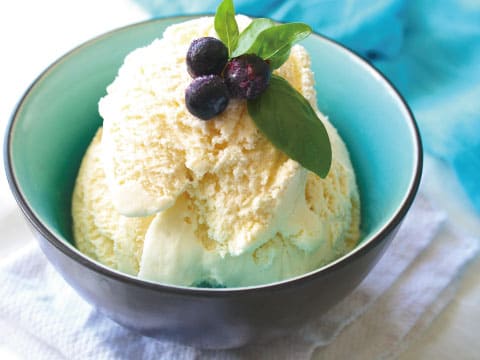
Beyond drinks, grenadine works well drizzled over pancakes, waffles, or vanilla ice cream, where its tartness cuts through richness the way maple syrup can’t. It also makes an easy glaze for roasted duck or pork, echoing the Middle Eastern tradition of using pomegranate reductions in savory cooking. A spoonful stirred into fruit salad or brushed onto a cheesecake adds both color and a bright, fruity counterpoint.
Caution | Because commercial grenadine is often more sugar than pomegranate, taste before adding extra sweetener in a recipe — it’s easy to oversweeten a dish without realizing it.
Grenadine Syrup FAQ


