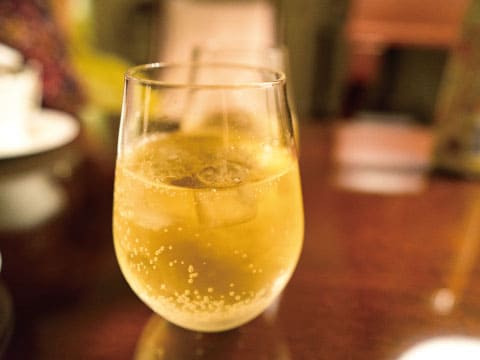
Ginger ale is, true to its name, a descendant of brewed ginger beer, yet today it pours crystal clear, blended rather than fermented, and it quietly shapes drinks from the Moscow Mule to the Shandygaff. From fiery, spicy ginger ale brands like Wilkinson, premium Fever-Tree and craft-minded Nose to smooth, gently sweet classics like Canada Dry, Suntory and Kobe Kyoryuchi, each bottle changes the heat, sweetness and fizz in your glass.
Find the one that suits your style, and tonight’s highball may become your new favorite.
〚 6 Recommended Ginger Ale Brands 〛
Ginger Beer

Ginger ale’s ancestor is ginger beer, a brew of ginger, sugar and yeast that originated in Yorkshire, England, in the mid-18th century. Fermentation gave it natural fizz, and early versions could reach around 11% alcohol.
In 1855, English excise law capped it at 2%, turning it into a family-friendly drink. During the Victorian era (1837–1901), it became a favorite across Britain, bolder and spicier than modern ginger ale, and it’s still brewed at home in Britain today.
Manufacturing method and features
What is ginger ale ?
Manufacturing method and characteristics

Ginger ale is, true to its name, a soda built around the bright aroma and gentle heat of ginger. Most modern versions are blended rather than brewed, combining carbonated water with sugar, ginger extract and a touch of citrus.
Because nothing is fermented, it pours crystal clear, the key contrast with brewed, often cloudy ginger beer.
There are two main styles: golden, darker and sweeter with a bold ginger bite, and dry (pale), lighter and crisper. In Japan, drinkers happily choose between spicy dry bottles like Wilkinson and sweeter ones like Canada Dry.
History and origin
Ginger ale’s roots lie in ginger beer, a fermented drink born in mid-18th-century England and loved across Victorian Britain.
In the 1850s, Irish apothecary and surgeon Thomas Joseph Cantrell created the first ginger ale in Belfast. This dark, sweet golden style was sold by Grattan & Co., whose bottles proudly read “The Original Makers of Ginger Ale.”
In 1904, Canadian pharmacist John J. McLaughlin introduced a paler, milder “Pale Dry” ginger ale, patented in 1907 as Canada Dry. It became a favorite mixer during U.S. Prohibition, and the dry style is now the global standard.
How to drink / use

Ginger ale is a true all-rounder behind the bar. In Japan, it stars in the Moscow Mule, the beer-based Shandygaff and easy rum or whisky highballs.
It’s also essential in classics like the Horse’s Neck, brandy with a long spiral of lemon peel. Dry styles sharpen a spirit’s character, while sweeter ones make a softer, friendlier glass. Served ice-cold on its own, it’s a lovely alcohol-free refresher, too.
6 Recommended Ginger Ale Brands
3 Spicy Ginger Ales | Bold Ginger, Crisp Finish
Spicy Ginger Ale Comparison Chart

| Category | Wilkinson | Fever-Tree Premium | Nose |
|---|---|---|---|
| Aroma | Sharp, spicy ginger | Fresh, zesty ginger | Soft, inviting ginger |
| Taste | Dry with a fiery kick | Balanced, lightly sweet | Spicy with gentle sweetness |
| Features | Classic Japanese bar staple | Natural ginger, no artificial sweeteners | Made by an Osaka sake brewer since 1712 |
| Carbonation | Strong | Medium | Medium |
| Details | Wilkinson | Fever-Tree Premium | Nose |
Wilkinson
A boldly spicy, authentic bar-style drink !

Country of origin of the brand | Japan Hyougo
Taste, Aroma & Features
Wilkinson Ginger Ale delivers a bold hit of ginger, a peppery bite and powerful bubbles. It tingles all the way down, yet the finish stays clean and crisp.
Served ice-cold on a summer day, it’s thrilling and refreshing. Behind my bar, it’s the ginger ale I reach for whenever a drink needs real backbone.
Origin & History

True to its English name, Wilkinson was founded by an Englishman, yet it was born in Japan. Around 1889, John Clifford Wilkinson discovered a natural carbonated spring while hunting in the hills of Takarazuka, Hyogo.
In 1904, he launched “Wilkinson Tansan,” and the brand later expanded into ginger ale and tonic water. Today it’s made by Asahi Soft Drinks, carrying more than a century of history.
How It’s Made & What Sets It Apart
Where many ginger ales lean sweet, Wilkinson leans spicy, with a sharp ginger bite and an extra-strong fizz. That bold edge lets it stand up to whisky, rum and gin without fading.
It has long been a staple in Japanese bars and hotel lounges, so it’s an easy way to bring true bar-quality highballs home.
Fever-Tree Premium
Three Gingers, One Premium Mixer

Country of origin of the brand | London, UK
Taste, Aroma & Features
Fever-Tree Premium Ginger Ale blends essential oils from three carefully chosen gingers. The result is a bright, refreshing heat, a gentle depth and a clean, fresh finish.
It’s crafted to flatter dark spirits, yet it’s lovely on its own, too. In my bar, it’s my go-to for bourbon and rum highballs, because it lifts the spirit instead of masking it.
Origin & History

Fever-Tree was born in London in 2005, founded by Charles Rolls and Tim Warrillow. Their idea was simple: if three-quarters of a long drink is the mixer, the mixer deserves the finest ingredients.
Fittingly named after the “fever tree,” the nickname of the cinchona, the brand began with tonic water and grew into a full premium range, including this ginger ale.
How It’s Made & What Sets It Apart
By layering three gingers, Fever-Tree builds a rounder, more complex profile than a single note of ginger can offer. Carefully sourced botanical ingredients give it a natural, refined taste.
Compared with sweeter everyday brands, it offers clean spice and real depth, making it a natural partner for whisky, bourbon and dark rum.
Nose
Crafted by a 300-Year-Old Sake Brewery

Country of origin of the brand | Japan Oosaka
Taste, Aroma & Features
Nose Ginger Ale pours crystal clear, with a soft ginger aroma that rises as soon as you lift the glass. Gentle sweetness meets a peppery kick, finishing clean and light.
It’s a grown-up ginger ale that suits crisp cocktails and food alike. I love it with whisky in a highball, because its spice stays bright without overpowering the spirit.
Origin & History

Nose Ginger Ale comes from Nose Shuzo, a brewery in Nose, a mountain town at the northern tip of Osaka. True to its roots, the company has been making sake since 1712.
Drawing on more than three centuries of brewing craft, it now also produces sparkling water, tonic and cider. This ginger ale carries that same care for water and flavor into every bottle.
How It’s Made & What Sets It Apart
Made with the brewery’s own sparkling water, Nose Ginger Ale carefully balances ginger spice with gentle sweetness. It’s crafted with bar use in mind, so it blends smoothly into cocktails.
Its clear, soft character offers a gentler, more refined style than the boldest dry ginger ales. It’s a lovely match for light cocktails and Japanese food.
6 Recommended Ginger Ale Brands
3 Smooth Ginger Ales | Gentle, Easy-Drinking Classics
Smooth Ginger Ale Comparison Chart

| Category | Canada Dry | Suntory | Kobe Kyoryuchi |
|---|---|---|---|
| Aroma | Soft, mellow ginger | Clean ginger with a light bite | Natural ginger with a hint of lemon |
| Taste | Smooth, gently sweet | Balanced sweetness with a firm kick | Gentle sweetness, crisp finish |
| Features | The original dry-style ginger ale | Great straight or as a mixer | Made with Japanese-grown ginger |
| Carbonation | Medium | Medium | Gentle |
| Detail | Canada Dry | Suntory | Kobe Kyoryuchi |
Canada Dry
The Original Dry Ginger Ale for Everyone

Country of origin of the brand | Canada, Toronto
Taste, Aroma & Features
Canada Dry Ginger Ale offers a gently sweet, easy-drinking taste with a soft ginger aroma. The finish stays light and clean, never sticky.
Its friendly balance makes it a favorite for all ages. In my bar, I reach for it when a guest wants a softer, sweeter cocktail, because it smooths out stronger spirits beautifully.
Origin & History

Canada Dry was created by John J. McLaughlin, a pharmacist in Toronto. After opening a soda water plant in 1890, he introduced “Pale Dry Ginger Ale” in 1904 and patented it as Canada Dry in 1907.
True to its name, “Dry” marked a paler, less sweet style than the golden ginger ales of the time. It soared in popularity as a mixer during U.S. Prohibition and became a global classic.
How It’s Made & What Sets It Apart
As the original dry-style ginger ale, Canada Dry set the standard most ginger ales follow today. Compared with spicy brands like Wilkinson, it’s softer and sweeter, with a gentle ginger note.
That mellow profile makes it ideal for fruity cocktails, light highballs and anyone new to ginger ale.
Suntory
The Perfect First Ginger Ale

Country of origin of the brand | Japan Oosaka
Taste, Aroma & Features
Suntory Ginger Ale strikes a friendly balance: gentle sweetness up front, then a firm ginger kick. It’s mild and easy to drink, yet satisfying enough to stand up in cocktails.
If you’re unsure which ginger ale to buy, start here. Behind my bar, it’s my all-round pick, because it works just as well straight as it does in a highball.
Origin & History

Suntory was founded in Osaka in 1899 by Shinjiro Torii, who went on to build Japan’s first malt whisky distillery. True to that whisky heritage, the company knows exactly what a good mixer should do.
Its ginger ale is made by Suntory Foods and sold in handy cans for homes and bars alike, carrying the trusted name behind Japan’s highball culture.
How It’s Made & What Sets It Apart
Compared with fiery brands like Wilkinson, Suntory Ginger Ale is softer and sweeter; next to Canada Dry, it has a bit more ginger bite. That middle ground makes it remarkably versatile.
It pairs beautifully with whisky in a ginger highball, as well as with rum, vodka and gin.
Kobe Kyoryuchi
Japanese Ginger, Naturally Gentle

Country of origin of the brand | Japan Hyogo
Taste, Aroma & Features
Kobe Kyoryuchi Ginger Ale is made with Japanese-grown ginger and a splash of lemon juice. Gentle sweetness and natural ginger flavor lead to a crisp, clean finish.
It’s free of artificial sweeteners and colorings, so the taste feels pure and honest. I keep a few cans on hand for home cocktails, because each one is just the right size for a drink or two.
Origin & History

True to its trading roots, Kobe Kyoryuchi belongs to the Tominaga group, which began in 1923 exporting produce and seafood to Southeast Asia. Its sister company launched the Kobe Kyoryuchi brand in 1994.
Every product is made in partner factories in Japan, and the brand’s motto is simple and warm: a little happiness for you.
How It’s Made & What Sets It Apart
This ginger ale puts Japanese-grown ginger front and center, brightened with real lemon juice. The result is a softer, more natural taste.
Its small single-serve can stays fizzy until the last sip, making it ideal for home cocktails with no leftovers.
Ginger Ale FAQ | 5 Common Questions Answered