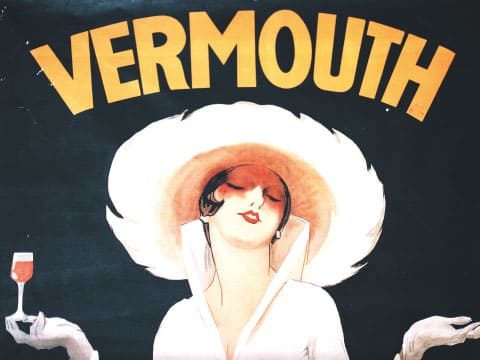
True to its name, vermouth is a wormwood wine, named for the German Wermut, yet it was Turin and the south of France that shaped it, and even a deep red rosso usually begins as white wine. Steeped with herbs, citrus peel, and spice, then fortified and gently sweetened, it turns crisp and floral in a French dry or round and bittersweet in an Italian sweet. Pour one of these best vermouth brands over ice with an orange slice tonight, and you’ll taste why every great bar keeps a bottle within reach.
What Is Vermouth ?
How It’s Made & Where It Comes From
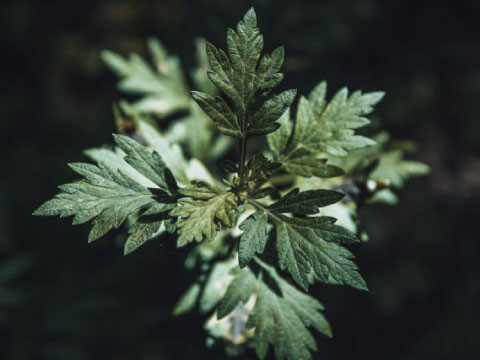
Vermouth is an aromatized, fortified wine. It starts with a neutral wine, usually white, which is infused with wormwood and a long list of botanicals such as coriander, nutmeg, cardamom, and citrus peel.
Under EU rules, vermouth must be at least 75% wine and contain a wormwood (Artemisia) botanical, with an ABV between 14.5% and 22%. That wormwood gives every vermouth its gently bitter backbone.
Producers generally flavor the wine in one of three ways:
・Steeping herbs and spices directly in the wine
・Distilling the botanicals into a concentrated extract
・Macerating the botanicals in a spirit, then blending that extract into the wine
After flavoring, the wine is fortified with brandy or neutral spirit, sweetened, filtered, rested, and bottled. Sweet vermouth traditionally centers on Turin in Piedmont, while dry vermouth grew up in France, so each style carries the character of its local wines and herbs.
History & Origins

Wine infused with herbs is almost as old as medicine itself. The Greek physician Hippocrates is often said to have steeped wormwood in wine for his patients around the 5th century BC, a story best enjoyed as legend.
By the 16th century, wormwood wines were popular in Hungary and Germany, and the Bavarian court enjoyed what it called “Wermut Wein.” That German word for wormwood eventually became the name of the drink.
The modern story begins in Turin in 1786, when Antonio Benedetto Carpano began selling the first commercial sweet vermouth. France followed in 1813 with Joseph Noilly’s dry style, and the two great schools of Italian sweet and French dry were born.
How It’s Enjoyed

In Europe, vermouth is first and foremost an aperitif, served on the rocks with a citrus twist or topped with soda. Its bitterness gently wakes up the appetite, which is exactly why it’s poured before dinner.
Behind the bar, it’s the essential supporting actor in the Martini, Manhattan, and Negroni. In the kitchen, a splash of dry vermouth can stand in for white wine in sauces for fish or chicken.
Because vermouth is wine, an opened bottle starts to fade within weeks. I’d always keep it in the fridge and finish it within about a month.
Vermouth Brands Compared
Dry Vermouth

| Brand | Martini | Noilly Prat | Dolin | Cinzano |
|---|---|---|---|---|
| Aroma | Bright citrus, lemon, and a hint of raspberry | Herbal and floral, with chamomile | Light and floral, with Alpine herbs | Fresh mint, sage, and oregano |
| Taste | Crisp and light with a clean finish | Dry and complex, slightly salty, with a gently bitter finish | Fresh, clean, and delicate | Crisp and dry, with a mild bitter finish |
| Features | Easy to drink and easy to mix. A great first bottle | Wine aged outdoors for a year. Perfect for a classic Dry Martini | Made with 30+ Alpine herbs. Lets the base spirit shine | Affordable and easy to find. Great for everyday cocktails |
| Detail | Martini | Noilly Prat | Dolin | Cinzano |
True to its name, dry vermouth is the crisp, low-sugar style. Because it grew up in France, it’s often called “French vermouth.”
Depending on the brand, its color ranges from nearly clear to pale straw, with a clean, refreshing finish and lively herbal aromas. That crisp profile makes it a cocktail favorite.
It’s just as good on the rocks, and it can replace white wine in cooking. Few bottles in the bar are this versatile.
Sweet Vermouth

| Brand | Martini | Noilly Prat | Dolin | Cinzano |
|---|---|---|---|---|
| Aroma | Light orange and citrus, with warm spice | Herbal, with clove, spice, and a touch of lavender | Red fruit and citrus peel, with Alpine herbs | Black cherry and vanilla, with creamy caramel |
| Taste | Bittersweet and fairly light, with hints of cinnamon and licorice | Lightly sweet and spicy, with a hint of bitter cocoa | Light, fresh, and less sweet, with a gently bitter finish | Gentle sweetness followed by spice and a pleasantly bitter finish |
| Features | A classic red vermouth and a Negroni staple | Made with 29 botanicals, including cocoa and cinnamon. Great in a Manhattan | Made with 30+ Alpine herbs. A lighter style that lets whiskey shine | Affordable and easy to find. A classic in Japanese bars |
| Detail | Martini | Noilly Prat | Dolin | Cinzano |
As the name suggests, sweet vermouth is the richer, sweeter style. It’s often called “Italian vermouth” because of its roots in Turin.
It’s also labeled rosso, so many people assume it’s made from red wine. Most sweet vermouths start with white wine, and their deep amber-red color usually comes from caramel.
Its charm lies in the harmony of herbs and sweetness. With its fuller flavor, it’s often enjoyed on its own over ice even more than dry vermouth.
Rosé Vermouth

Dry and sweet are the two styles most often used in cocktails, but vermouth has a wider family, and rosé is one of its prettiest members. True to its name, it pours pink, with a fresh, sweet-tart fruitiness balanced by wormwood’s light bitterness.
One example is Lustau Vermut Rosé from Jerez, Spain, blended from Fino sherry, Moscatel, and Tintilla de Rota wines. Botanicals such as vanilla and cardamom bring out notes of wild strawberry and orange blossom, while the Fino adds a subtle nutty backbone.
4 Best Vermouth Brands
Martini
The World’s Benchmark Vermouth

Country of Origin | Italy
Flavor & Aroma
・Dry Vermouth — Martini Extra Dry is clean and easygoing, with bright citrus notes and a floral lift. Its herbs stay in the background, so in a Martini it lets the gin’s character shine.
It’s also lovely on the rocks or with soda, and it has long been a staple for beginners and professionals alike.
・Sweet Vermouth — Martini Rosso is one of Italy’s signature sweet vermouths, with an appealing balance of bitterness and sweetness. Notes of ripe fruit and warm spice unfold together in the glass.
In a Manhattan or Negroni, it adds a rounded, glossy depth.
History

Martini traces its roots to 1863, when Alessandro Martini, herbalist Luigi Rossi, and accountant Teofilo Sola took over a Turin distillery and renamed it Martini, Sola & Cia. Within four years, the first cases had already reached New York.
Medals soon followed in Dublin, Paris, Vienna, and Philadelphia, and they still appear on the label today. Martini Extra Dry was launched on New Year’s Day 1900 to compete with the popular French dry vermouths.
There’s even a theory that the Martini cocktail took its name from the brand. It’s one of several stories about the drink’s origin, and it shows how deeply Martini is woven into bar history.
How It’s Made & What Sets It Apart
Martini is built from four simple elements: wine, botanicals, sugar, and alcohol, following recipes the company still keeps secret. Its biggest strength is its wide lineup, including Rosso, Extra Dry, Bianco, and Rosato, each carefully balanced.
The herbs never shout, so Martini is easy to sip neat and easy to mix. If Noilly Prat is the structured French dry, Martini is the friendly all-rounder that fits almost any glass.
Noilly Prat
The Original French Dry, Trusted by Bartenders

Country of Origin | France
Flavor & Aroma
・Dry Vermouth — Noilly Prat Original Dry is prized for its complex, gently nutty depth, which comes from wine aged outdoors in the Mediterranean sun and sea air. It has enough character to sip on its own, yet it never feels heavy.
Its affinity with gin is legendary. For a classic Dry Martini, Noilly Prat is the bottle I’d reach for first.
・Sweet Vermouth — Noilly Prat Rouge is made the same way as the dry, with extra botanicals that give it its red color. It’s produced mainly for export, especially to the United States.
Its sweetness and bitterness are gentle, so in cocktails it wraps softly around the base spirit instead of overpowering it.
History

Noilly Prat’s story begins in 1813, when Joseph Noilly, a wine and spirits merchant in Lyon, created his recipe for dry vermouth. It’s widely regarded as France’s first vermouth.
According to the brand’s story, Noilly was inspired by the way wine changed in barrels during long sea voyages, and he set out to recreate that effect. In 1855, his son Louis and son-in-law Claudius Prat founded Noilly Prat & Cie, and production eventually settled in the fishing village of Marseillan.
The company joined Martini & Rossi in 1971. Even so, the traditional method and the use of local grapes have been carefully preserved.
How It’s Made & What Sets It Apart
Noilly Prat uses local Picpoul de Pinet and Clairette grapes from around Marseillan. The wine first rests in large Canadian oak casks for about eight months.
It’s then moved into smaller barrels and left outdoors for roughly a year, exposed to sun, sea wind, and winter cold. This open-air aging deepens the color and adds a gentle oxidative note before the wine is infused with a secret blend of herbs and spices.
This rare outdoor step is what gives Noilly Prat a depth that’s hard to find in any other dry vermouth.
Dolin
A Taste of the Alps, Honored With Its Own Appellation

Country of Origin | France
Flavor & Aroma
・Dry Vermouth — Dolin Dry is light, fresh, and clean, one of the most delicate dry vermouths you’ll find. Its floral, herbal profile comes from more than 30 Alpine herbs and plants.
Because it never overwhelms, it’s ideal when you want the base spirit to take the lead. It’s the quiet hero behind many elegant Martinis.
・Sweet Vermouth — Dolin Rouge is a light, fresh red vermouth, paler and less sweet than many Italian rossos. In exchange, its herbal notes come through clearly, with a soft, bitter edge.
Enjoy it neat or with soda as an aperitif, or use it in a Manhattan when you want the whiskey to stay in the spotlight.
History

Dolin hails from Chambéry, the historic capital of Savoie in the French Alps, close to the borders of Italy and Switzerland. Its story begins in 1821, when Joseph Chavasse recognized the special quality of the local vermouth.
His son-in-law, Louis-Ferdinand Dolin, later took over the distillery and gave the company its name. In the late 19th century, Dolin vermouth won medals in Paris, London, Philadelphia, and St. Louis.
In 1932, Vermouth de Chambéry earned France’s only appellation of origin for vermouth. It was official recognition that this Alpine style had a character all its own.
How It’s Made & What Sets It Apart
Dolin’s defining trait is its Alpine botanicals, gathered from the meadows above Chambéry and macerated in a light wine base. That’s why it has a cool freshness and a softer herbal perfume than many southern styles.
Today, Dolin is known as the last producer still making Vermouth de Chambéry, following the same principles that earned the 1932 appellation. It’s also still family-owned and independent, which is rare in a category led by big brands.
Cinzano
260+ Years of Italian Craft, a Staple of Japanese Bars

Country of Origin | Italy
Flavor & Aroma
・Dry Vermouth — Cinzano Extra Dry is pale yellow with a faint green glint. On the nose, you’ll find mint, sage, and oregano, with a hint of spice.
The palate is crisp and dry, finishing with a light, pleasant bitterness. It’s an easy, affordable choice for dry vermouth cocktails.
・Sweet Vermouth — In Japan, Cinzano Rosso has long been the go-to sweet vermouth for bar cocktails. Its aroma blends black cherry and vanilla with a touch of creamy caramel.
A gentle sweetness opens into spice and a complex bitter finish. It brings a glossy depth to a Manhattan or Negroni, and it’s just as good over ice.
History
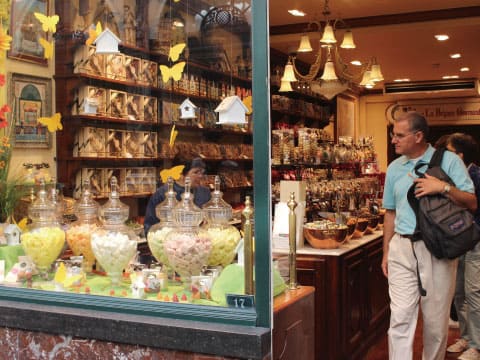
Cinzano dates back to 1757, when brothers Giovanni Giacomo and Carlo Stefano Cinzano joined Turin’s guild of confectioners and spirit makers as master distillers. True to those roots, the Cinzano story began in a world where sweets and spirits were crafted side by side.
By 1776, the brothers were supplying the royal court of Savoy. At the court’s request, the family later created what is often called Italy’s first spumante, or sparkling wine.
At the 1884 Turin exhibition, Cinzano offered free tastings and switched to printed labels, which was forward-thinking marketing for its day. Its famous red-and-blue logo, said to stand for passion and nobility, first appeared in 1925.
How It’s Made & What Sets It Apart
Cinzano blends white wine with a secret mix of herbs, spices, and citrus peel, a recipe the brand still guards closely. Its lineup ranges from Rosso, Bianco, and Extra Dry to the premium 1757 Vermouth di Torino range.
What really sets Cinzano apart is how easy it is to find and enjoy. If Noilly Prat and Dolin are specialists, Cinzano is the textbook vermouth, offering reliable quality at a friendly price everywhere from cocktail bars to casual pubs.
How to Enjoy Vermouth — Serves, Twists & Pairings
1. On the Rocks or Neat

- The Spanish Way — In Spain, vermouth is poured over ice with an orange slice and a green olive. Red vermouth gets orange, and white vermouth gets a slice of lemon.
- Twist — Add a splash of soda water to lighten it up, Spanish style. I’d serve sweet vermouth this way to anyone trying it for the first time.
Note — Vermouth is wine, so keep an opened bottle in the fridge. For drinking, it’s best within a few weeks.
2. Highballs & Spritzes

- Vermouth & Tonic — Mix dry vermouth and tonic water 1:1 over ice with a lemon wheel. It’s crisp, lightly bitter, and low in alcohol.
- Ginger Ale — Sweet vermouth with ginger ale makes a soft, spicy highball. A dash of Angostura bitters adds depth.
- Cola — This is a casual home twist rather than a classic. Use only a little sweet vermouth so its herbal notes peek through.
Note — Tonic, ginger ale, and cola are already sweet. Start with dry vermouth or a smaller pour, then adjust to taste.
3. Cooking & Desserts

- Use It Like Wine — Use dry vermouth in place of white wine for fish, chicken, and vegetables. It’s especially good for deglazing a pan.
- Food Pairings — Dry vermouth loves oysters and seafood, while sweet vermouth pairs well with cured meats, olives, and cheese. Some sweet vermouths also go well with chocolate desserts.
- Dessert Twist — A small drizzle of sweet vermouth over vanilla ice cream makes an easy grown-up dessert.
Note — Vermouth is sweeter and more herbal than plain wine, so add a little at a time. Uncooked uses still contain alcohol, so keep them away from children and drivers.
Vermouth FAQ — 5 Common Questions Answered