

White curaçao is a crystal-clear liqueur, and true to its name, its roots lie in the fragrant bitter oranges of Curaçao, a sunny island in the Caribbean. Orange peels are steeped and distilled into a bright, gently sweet spirit, often sold as triple sec, that gives classics like the Margarita, Sidecar and White Lady their fresh citrus lift. In this guide, you’ll discover its history, how it’s made and how to use it, plus 6 trusted brands, from Cointreau to Bols, for your home bar.
〚 6 Best White Curaçao Brands 〛
What is White Curacao ?
How White Curaçao Is Made and Where It Comes From

White curaçao is a clear, orange-flavored liqueur, often sold as triple sec. Its story begins on Curaçao, a Caribbean island off the coast of Venezuela.
Spanish settlers planted orange trees there, but in the dry climate the fruit grew bitter. It was hard to eat, but its peel was wonderfully aromatic.
Today, white curaçao is made by steeping sweet and bitter orange peels in a neutral spirit, then distilling it and adding sugar. With no coloring added, it stays crystal clear, with a fresh citrus aroma and a bright, sweet finish. Most bottles range from about 24% to 40% ABV.
The History of White Curaçao
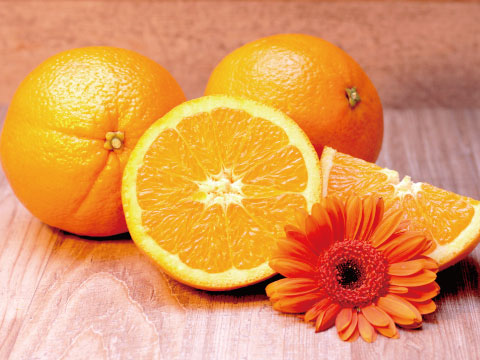
Spanish explorers reached Curaçao in 1499, and the island came under Dutch control in 1634. As a busy trading port linking Europe and the Americas, it gave Dutch merchants access to its fragrant bitter orange peels.
From around the 17th century, Dutch distillers used these peels to create orange liqueurs. In 19th-century France, producers developed drier, clearer styles known as triple sec. Cointreau, founded in Angers in 1849, became one of the most famous names in the world.
How to Enjoy White Curaçao

White curaçao is rarely the star of the glass, yet it appears in countless classic cocktails. It adds orange aroma and gentle sweetness to the Margarita, Sidecar, White Lady, Cosmopolitan and Balalaika, balancing strong spirits with fresh citrus.
It’s also lovely on the rocks. Some quality bottles turn softly cloudy when chilled, as their orange oils react to the cold.
In the kitchen, it brings a bright citrus note to desserts like crêpes Suzette and cakes. It’s a bottle every home bar should have.
6 Best White Curaçao Brands | 3 Premium Picks to Sip Neat or on the Rocks
Premium Picks Compared

| Category | Cointreau | Triple Mortal | Giffard |
|---|---|---|---|
| Aroma | Bright, fresh sweet and bitter orange peel | Bold sweet and bitter orange peel | Sweet and bitter orange with grapefruit and lemon |
| Taste | Smooth sweetness with a clean finish | Sweet with a light bitter edge and a dry finish | Light sweetness with zesty citrus bitterness |
| Features | Founded 1849; a bar staple worldwide that turns cloudy on ice | Made in Mexico for the Margarita; triple-distilled | Founded 1885; family-run, focused on natural fruit flavor |
| Details | Cointreau | Triple Mortal | Giffard |
Cointreau
The Benchmark of Every Bar

Country of origin | France
Flavor, aroma, and characteristics
The moment you open a bottle of Cointreau, a bright, fresh aroma of real orange peel fills the air.
On the palate, it’s smooth and gently sweet, while a touch of bitter orange keeps every sip crisp and clean. At 40% ABV, it’s full-bodied, yet surprisingly light on the tongue.
Over ice, its natural orange oils turn the liqueur a soft, milky white, which is part of its charm. In cocktails, it ties aroma and sweetness together perfectly, making it a bottle you can always rely on.
Birth and History

Cointreau’s story began in 1849 in Angers, a city in France’s Loire Valley. Two brothers and confectioners, Adolphe and Édouard-Jean Cointreau, started making liqueurs from local fruit.
Later, Édouard-Jean’s son, Édouard, became fascinated by oranges and spent years perfecting his recipe. In 1875, he created a clear, aromatic liqueur that blended sweet and bitter orange peels.
Today, it’s a staple in bars around the world, still crafted with the same care after nearly 150 years.
How It’s Made & What Sets It Apart
Cointreau is made by steeping sun-dried bitter orange peels and sweet orange peels in a neutral spirit, then slowly distilling them in copper stills. Beet sugar is added at the end, and the liqueur is bottled at 40% ABV.
Orange curaçaos like Grand Marnier are amber and built on cognac. Cointreau, by contrast, is crystal clear and lets pure orange aroma shine through.
That clarity is exactly why it blends so easily into almost any cocktail without masking other ingredients.
Triple Mortal
Born for the Margarita

Country of origin | Spain
Flavor, aroma, and characteristics
Triple Mortal is a white curaçao made especially for the Margarita.
Pour it into a glass and you’ll notice a bold yet elegant aroma of sweet and bitter orange peel. The sharp alcohol edge is softened, so the nose feels smooth and inviting.
On the palate, orange sweetness meets a light bitter touch, finishing crisp and dry. It’s perfect in a Margarita, and it also gives a White Lady or Balalaika a rounder, smoother finish.
Birth and History

Triple Mortal was created in response to bartenders and drinkers asking for an authentic liqueur made for the Margarita.
Its name pays tribute to La Quebrada in Acapulco, Mexico, where cliff divers famously leap from towering rocks into the sea. Their fearless, adventurous spirit is captured in every bottle.
Though it’s made in Spain, it was born from deep respect for Mexico, the home of the Margarita.
How It’s Made & What Sets It Apart
Triple Mortal is made with Seville oranges from Spain, blending sweet and bitter orange peels. After distillation, it’s carefully filtered three times, so “Triple” lives in both its name and its craft.
Unlike amber orange curaçaos, it’s crystal clear, letting the clean character of tequila or vodka shine. It’s bottled at 38% ABV.
With its softened alcohol edge, it blends naturally with other ingredients and gives every cocktail a smooth, polished finish.
Giffard
Natural Orange, Crafted by Aroma Artisans

Country of origin | France
Flavor, aroma, and characteristics
Giffard’s white curaçao layers sweet and bitter orange with bright notes of grapefruit and lemon, giving it real depth.
On the palate, it’s lightly sweet with a zesty citrus-peel bitterness, and the finish lingers with a soft hint of orange blossom.
Because Giffard focuses on natural fruit flavor, the aroma feels vivid and alive. In a Sidecar or Margarita, its fresh, fruit-forward character lifts the whole cocktail.
Birth and History

Giffard’s story began in 1885 in Angers, a city in France’s Loire Valley. Pharmacist Émile Giffard was fascinated by the power of plants, especially a fragrant English mint called Mitcham.
During a record-breaking heatwave that summer, a hotel across from his pharmacy asked for something to cool its guests. His answer was a refreshing mint liqueur.
It quickly became a local favorite, and Émile founded his own distillery. Still family-run today, Giffard is a respected name in liqueurs and syrups.
How It’s Made & What Sets It Apart
Giffard puts ingredient quality first, sourcing locally whenever possible and importing only from renowned growing regions. Each fruit is steeped in alcohol for just the right amount of time, from 48 hours to as long as three months, to draw out its full aroma.
Its Curaçao Triple Sec is a blend of sweet and bitter orange distillates, bottled at 40% ABV.
Unlike amber orange curaçaos, it’s crystal clear, so it adds elegant fruit aroma without changing the color of your cocktail.
6 Best White Curaçao Brands | 3 Everyday Picks for Easy Cocktails
Everyday Picks Compared

| Category | De Kuyper | Marie Brizard | Bols |
|---|---|---|---|
| Aroma | Sweet, friendly orange | Clean, classic bitter orange | Fresh, bright lemon and orange |
| Taste | Gently sweet, light and easy | Sweet with bitter orange and soft floral notes | Candied orange peel with a dry, bittersweet finish |
| Features | Dutch, founded 1695; lower ABV and budget-friendly | French, founded 1755; Haitian bitter and Spanish sweet oranges | Founded 1575; one of the world’s oldest liqueur brands, using Curaçao orange peel |
| Details | De Kuyper | Marie Brizard | Bols |
De Kuyper
The Perfect First Bottle

Country of origin | Netherlands
Flavor, aroma, and characteristics
De Kuyper Curaçao Triple Sec charms you with a sweet, friendly orange aroma.
It’s soft on the palate, and with a lower ABV than many triple secs, its orange sweetness and freshness come through lightly and easily. Even if you’re new to cocktails, it blends in naturally.
Affordable and easy to find, it’s a bottle you can reach for every day, from Margaritas to Balalaikas. If you’re just starting your home bar, this is a wonderful place to begin.
Birth and History

De Kuyper’s story began in the Netherlands in 1695. Founder Petrus De Kuyper started out as a craftsman making barrels for spirits and beer.
By 1752, the family owned a distillery in Schiedam, a town famous for its genever, and in the 19th century they expanded exports across Europe, Great Britain and Canada. After building a new distillery in 1911, they turned their focus to liqueurs.
In 1995, on its 300th anniversary, the company received the “Royal” title from the Dutch royal family. It’s now one of the Netherlands’ most respected liqueur makers.
How It’s Made & What Sets It Apart
De Kuyper runs its own distillery, combining traditional craftsmanship with modern equipment to bring out the natural flavor of every ingredient.
Its Curaçao Triple Sec is crystal clear, and the version sold in Japan is around 24% ABV. Compared with 40% triple secs like Cointreau, it feels much lighter, with a gentler sweetness.
Unlike amber orange curaçaos, it won’t change the color of your drink, making it an easy, forgiving choice for almost any cocktail.
Marie Brizard
Crisp Elegance from Bordeaux

Country of origin | France
Flavor, aroma, and characteristics
Marie Brizard Triple Sec is a white curaçao with a clean, classic bitter orange aroma.
On the palate, gentle sweetness meets the light bitterness of orange peel and a soft floral touch. It’s not overly sweet, finishing crisp and dry.
At 39% ABV, it brings a sharp, polished edge to a Margarita or Sidecar. It’s also lovely neat or on the rocks, making it a versatile bottle for both cocktails and sipping.
Birth and History

Marie Brizard was founded in 1755 in Bordeaux, a port city in southwest France, by Marie Brizard and her nephew Jean-Baptiste Roger.
A charming legend surrounds the brand: Marie nursed a sick sailor back to health, and in thanks, he shared a recipe for an anise liqueur. That anisette is still the brand’s signature today.
As a busy port, Bordeaux received fruits and spices from around the world, and Marie Brizard has been turning those treasures into liqueurs for over 250 years.
How It’s Made & What Sets It Apart
Marie Brizard Triple Sec is made by carefully distilling bitter orange peel from Haiti and sweet orange zest from southern Spain, along with aromatic plants.
Blending oranges from two regions gives it a beautiful balance of freshness and gentle bitterness.
Unlike amber orange curaçaos, it’s crystal clear, adding orange aroma without changing your cocktail’s color. Its 39% ABV backbone gives it a grown-up crispness that sets it apart from simply sweet liqueurs.
Bols
450 Years of Liqueur Mastery

Country of origin |Netherlands
Flavor, aroma, and characteristics
Bols Triple Sec charms you with a fresh, clean aroma of lemon and orange.
On the palate, it opens with the sweetness of candied orange peel, followed by bittersweet orange oil and a relatively dry finish. A pleasant marmalade note lingers at the end.
At 38% ABV, it has plenty of aroma and body, yet stays balanced and easy to work with. It’s a reliable classic for any cocktail, from the Margarita to the White Lady.
Birth and History

Bols was founded in 1575 in Amsterdam, the Netherlands, and is known as one of the world’s oldest distilled spirits brands.
Lucas Bols helped the family business grow into a global name. At the time, the Netherlands was a leading trading power, and as a shareholder in the Dutch East India Company, Lucas had access to rare spices, fruits and herbs from around the world, which he turned into a wide range of liqueurs.
Its liqueurs made with orange peel from the island of Curaçao are among Bols’ oldest recipes.
How It’s Made & What Sets It Apart
Bols Triple Sec is made by blending distillates of Curaçao orange peel with distillates of other citrus fruits. This mix adds a lemony brightness that oranges alone can’t bring.
Unlike amber orange curaçaos, it’s crystal clear, adding fresh citrus aroma without changing the color of your cocktail.
Bols has always aimed to capture natural flavors at their best, and that philosophy shines through in this clean, well-balanced triple sec.
Delicious ways to drink and variations
Neat & On the Rocks

Chill the bottle in the freezer and sip it neat from a small glass. The cold tames the sweetness and lets the orange shine. On the rocks, it turns a soft, cloudy white as its orange oils react to the ice.
Twist | Express an orange peel over the glass.
Tip | Most bottles are 38–40% ABV, so sip slowly.
With Bubbles

- Soda — Add a squeeze of lime for a crisp, refreshing fizz.
- Tonic — Quinine’s bitterness balances the sweetness beautifully.
- Ginger ale — Gentle spice adds warmth to the orange.
Ratio | About 1 part liqueur to 3 parts mixer.
Tip | Pour the mixer gently down a bar spoon to keep the bubbles.
Classic Cocktails
White curaçao is the backbone of the Margarita, Sidecar, Cosmopolitan and White Lady, linking spirit and citrus into one smooth drink.
I’d always reach for a 40% bottle in sours, because it adds body without too much sugar.
Tip | When switching to a lower-ABV brand, use a little less, as it tastes sweeter.
Cooking & Desserts

It’s the signature flavor of crêpes Suzette, and a splash brightens strawberries, chocolate ganache and orange glazes for duck.
Tip | When flambéing, take the pan off the heat before adding it, and never pour straight from the bottle near a flame. Cooking doesn’t remove all the alcohol.
5 Frequently Asked Questions about White Curacao


