

Orange curaçao is, true to its name, a gift from the Caribbean island of Curaçao, where Spanish oranges grew bitter in the dry sun and left behind one of the world’s most fragrant peels.
Steeped in spirit, sweetened and often warmed with brandy, those peels become an amber liqueur that brings rich citrus and gentle sweetness to classics like the Mai Tai.
From Grand Marnier to Pierre Ferrand, here’s how it’s made, which bottle to choose and why it’s worth pouring tonight.
What Is Orange Curaçao ?

Production & Origin
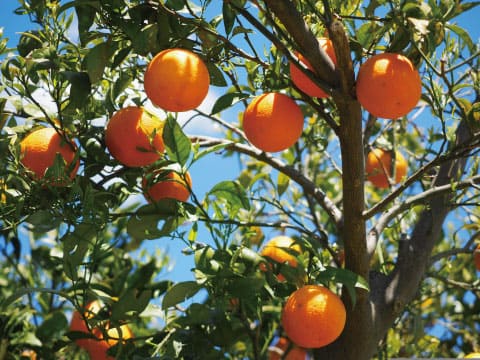
Orange curaçao is a liqueur made from the peels of bitter oranges. Its story begins with the laraha, a bitter orange that grows on the Caribbean island of Curaçao. The island’s dry, sunny climate made the fruit too bitter to eat, but its peel is packed with fragrant oils.
To make the liqueur, the peels are dried, then soaked in spirit to draw out their aroma; many producers also distill this infusion. Sugar and water are added, and the amber color often comes from caramel or brandy, giving orange curaçao its warm, rich character.
History
Curaçao, an island off the coast of Venezuela, was reached by the Spanish in 1499. The Spanish brought sweet Valencia oranges, but in the dry soil the trees produced small, bitter fruit, which became the laraha.
The Dutch took control of the island in 1634, and Dutch distillers recognized the value of its fragrant peels. They began steeping them in spirit, creating the orange liqueur that carries the island’s name.
Over time, curaçao spread throughout Europe. Today it comes in many colors, including clear, orange and blue, and the amber orange style remains a favorite in classic recipes.
How to Use It
Orange curaçao is used mainly in cocktails. Its rich orange aroma and gentle sweetness add depth and a warm amber color, which is why it’s a key ingredient in the Mai Tai, created by Trader Vic in 1944.
It also works well in sidecar-style drinks and tiki cocktails, and it pairs nicely with rum, brandy and whiskey. Outside the bar, it’s a favorite in desserts such as crêpes Suzette, cakes and fruit salads.
Enjoy it over ice with soda for a simple, refreshing highball. I’d keep a bottle on hand; a splash instantly gives a drink more character.
How Orange Curaçao Is Made

Orange curaçao is a liqueur made from bitter orange peels combined with spirit, sugar and water. Its roots go back to the Dutch-ruled island of Curaçao in the Caribbean, where bitter oranges with especially fragrant peels gave the liqueur its name.
Traditional and Modern Methods
1. Traditional Method | Time-Honored Craftsmanship — In the traditional method, bitter orange peels are carefully dried and then steeped in spirit. Producers use many kinds of spirit, including brandy, rum and neutral spirits such as vodka. The peels steep for several weeks to several months and are stirred regularly to draw out their aroma.
The infusion is then filtered, and sugar and water are added to sweeten it. The sweetness level varies by producer and recipe. Finally, the liqueur is filtered once more and bottled.
2. Modern Method | Efficiency Meets Quality — Alongside traditional methods, more efficient techniques have also been developed. Methods such as ultrasonic or CO2 extraction can capture aroma compounds in a much shorter time.
Techniques like column distillation and fine filtration also help create a cleaner, clearer liqueur with consistent quality.
The Orange Curaçao Production Process
1. Sourcing the Ingredients
・Bitter oranges — Bitter oranges are carefully selected, and the peels are removed by hand. Some producers harvest the fruit while it’s still green, when the peel is most aromatic.
・Spirit — Brandy, rum, neutral spirit or another base is chosen to suit the recipe.
・Sugar — White or granulated sugar is used so it won’t affect the liqueur’s flavor.
・Water — Soft water with low mineral content is generally used.
2. Preparing the Peels
・Drying — The peels are dried in a well-ventilated, shaded place, since direct sunlight can discolor them.
・Grinding — The dried peels are ground into small pieces.
3. Steeping in Spirit
・Containers — Sealed containers such as glass jars or stainless steel tanks are used.
・Steeping time — It depends on the spirit and the temperature, but usually ranges from several weeks to several months.
・Temperature control — A temperature-controlled room keeps conditions steady.
4. Extraction
・Traditional method — The mixture is stirred regularly so the spirit slowly absorbs the peel’s aroma.
・Modern method — Technologies such as ultrasonic or CO2 extraction capture the aroma quickly and efficiently.
・Distillation — Many producers also distill the infusion to create a cleaner, more refined orange aroma.
5. Filtration
・Filter materials — Paper filters or cloth filters remove any remaining solids.
・Filtration methods — Gravity filtration, pressure filtration and other methods are used.
6. Making the Syrup
Sugar and water are heated together to make a syrup.
・Heat — The syrup is heated carefully so it doesn’t scorch.
・Concentration — The sweetness is adjusted to suit the recipe, since it shapes the liqueur’s final flavor.
7. Blending
The orange infusion and syrup are combined.
・Alcohol strength — Spirit or water is added if the strength needs adjusting.
・Flavor — Some producers add vanilla, spices or other botanicals.
8. Resting and Aging
・Aging period — Some liqueurs are rested or aged so their flavors can settle and blend.
・Containers — Sealed barrels or tanks are used.
・Temperature control — A temperature-controlled room keeps conditions steady.
9. Bottling
・Bottles — Glass bottles are standard.
・Labels — The label lists the liqueur’s name, ingredients, alcohol strength and other details.
10. Quality Control
・Appearance — Color, clarity and any sediment are checked.
・Aroma and flavor — Aroma, taste and alcohol strength are checked.
・Safety — Tests confirm that no harmful substances, such as heavy metals, are present.
3 Best Orange Curaçao Brands to Try
Orange Curaçao Brand Comparison Chart

| Item / Brand | Grand Marnier | Bols | Pierre Ferrand |
|---|---|---|---|
| Aroma | Rich bitter orange with cognac depth | Bright, sweet orange peel | Fragrant orange peel with gentle spice |
| Flavor | Rich, smooth and full-bodied | Sweet, light and fruity | Dry, crisp and complex |
| Features | Cognac-based French classic, 40% ABV | Dutch classic, easy to use, 24% ABV | 19th-century recipe revived, 40% ABV |
| detail | Grand Marnier | Bols | Pierre Ferrand |
Grand Marnier
The king of orange liqueurs, crowned by cognac

Brand Origin | France
Flavor & Aroma
Grand Marnier opens with a rich aroma of bitter orange, layered with the warm, oaky depth of cognac. On the palate it’s smooth and full-bodied, with ripe citrus sweetness balanced by gentle bitterness and hints of vanilla.
At 40% ABV, it’s elegant enough to sip neat over ice and bold enough to shine in cocktails.
History
The story began in 1827, when Jean-Baptiste Lapostolle founded a distillery in Neauphle-le-Château, near Paris.
In 1880, Louis-Alexandre Marnier, who married into the Lapostolle family, blended cognac with rare tropical bitter oranges, a daring idea at the time. The result was Grand Marnier, which went on to become one of France’s most celebrated liqueurs.
Production & What Makes It Different
Grand Marnier uses wild bitter oranges from Haiti, picked by hand while still green, when their peels are most aromatic. The peels are dried and distilled into a fragrant orange essence, then blended with cognac and aged in oak casks.
While many orange liqueurs use neutral spirit, Grand Marnier’s cognac base gives it a richer, deeper character.
Bols
Over 400 years of liqueur craft in every bottle

Brand Origin | Netherlands
Flavor & Aroma
Bols Orange Curaçao offers a bright, fresh orange-peel aroma with a balance of bitter and sweet citrus. On the palate it’s light, fruity and pleasantly sweet, with a clean finish that blends easily into cocktails.
At around 24% ABV, it’s gentle enough for beginners and versatile enough for everything from tropical drinks to desserts.
History

Bols traces its roots to 1575, when the Bols family began distilling in Amsterdam, making it one of the world’s oldest spirits brands. In the 17th century, Lucas Bols grew the business as the Netherlands became a global trading power.
Spices, herbs and fruits from distant lands reached Amsterdam, and Bols turned them into a wide range of liqueurs that spread across Europe and beyond.
Production & What Makes It Different
Bols Orange Curaçao is made by infusing and distilling the peels of bitter and sweet oranges in neutral spirit, then blending the result with sugar for a smooth, rounded flavor.
Its lighter strength and clean, fresh orange character set it apart from cognac-based liqueurs like Grand Marnier, making it an easy, affordable choice for everyday mixing.
Pierre Ferrand Dry Curaçao
The bartender’s secret for a better Mai Tai

Brand Origin | France
Flavor & Aroma
Pierre Ferrand Dry Curaçao opens with a lovely orange-blossom aroma, followed by candied orange peel with a bright sweet-tart edge.
Toasty notes of French oak and cognac add depth, and the finish is dry and elegant rather than sugary. At 40% ABV, it shines in classic cocktails, and a splash over Champagne makes a simple, festive treat.
History

Pierre Ferrand is a cognac house based in France’s Cognac region. In 2012, its owner and master blender Alexandre Gabriel teamed up with cocktail historian David Wondrich to bring back the dry, brandy-based curaçao of the 19th century, a style that had nearly disappeared.
After studying old recipes and testing more than forty trials, they created this curaçao, now loved by bartenders worldwide.
Production & What Makes It Different
Laraha bitter orange peels from Curaçao, along with sweet orange and lemon peels, are infused in wine spirit and distilled. This is blended with a separate infusion of botanicals such as almonds, prunes and vanilla, plus brandy, Ferrand cognac and a touch of cane sugar, then rested in cognac casks.
This brandy base gives it far more depth than curaçaos made with neutral spirit.
Orange Curaçao — How to Drink & Enjoy It
1. Neat & On the Rocks

- How to enjoy — Grand Marnier and Pierre Ferrand Dry Curaçao are rich enough to sip neat, slightly chilled, from a small tulip glass. Lighter Bols is best on the rocks, where the ice softens its sweetness.
- Twist — Express a strip of orange peel over the glass to lift the aroma, or add a dash of orange bitters for a drier, more grown-up sip.
Note — Orange curaçao is sweet and ranges from about 24% to 40% ABV, so sip slowly. Keep the bottle tightly capped and away from sunlight to protect its aroma.
2. Highballs & Mixers
- Soda — Mix one part curaçao with three or four parts chilled soda over ice, and garnish with an orange slice for a light, refreshing highball.
- Tonic water — Tonic’s gentle bitterness balances the sweetness, creating a bittersweet aperitif.
- Ginger ale — The spice of ginger pairs naturally with orange for a warmer, rounder drink.
- Cola — Orange and cola make a fun, easy combination; a squeeze of lime keeps it fresh.
Note — Pour the mixer gently and stir only once or twice to keep the bubbles lively. Since the liqueur is already sweet, start with less and adjust to taste.
3. Classic Cocktails

- Mai Tai — Rum, lime, orgeat and orange curaçao. Pierre Ferrand Dry Curaçao is a bartender favorite here.
- Sidecar — Cognac, lemon juice and orange liqueur; Grand Marnier makes it richer and deeper.
- Margarita — Swap in Grand Marnier for a smoother, more luxurious take, often called a Cadillac Margarita.
- Pegu Club — Gin, orange curaçao, lime and bitters for a crisp, aromatic classic.
Note — Orange curaçao adds both sweetness and alcohol, so measure carefully with a jigger. Too much can easily overpower the citrus and base spirit.
4. Cooking & Desserts
- Crêpes Suzette — The classic French dessert of crêpes in a buttery orange sauce, often finished with Grand Marnier.
- Duck à l’orange — A splash in the orange sauce adds depth and a fragrant citrus finish.
- Cakes & pastries — Brush it over sponge cake or savarin, or fold it into whipped cream for an elegant orange aroma.
- Fruit & ice cream — Drizzle over fresh berries, fruit salad or vanilla ice cream for an easy, grown-up dessert.
Note — Alcohol remains in uncooked desserts, so take care when serving children or anyone driving. When flambéing, turn off the range hood and keep the bottle away from the flame.
Orange Curaçao FAQ | 5 Common Questions Answered


