

True to its literary namesake, the Algonquin cocktail carries the name of the Manhattan hotel where the Algonquin Round Table traded wit over lunch, a hotel so devoted to conversation that its manager closed the bar in 1917, yet its name lives on in a glass. Spicy rye whiskey and herbal dry vermouth set a crisp, grown-up frame, while pineapple juice softens the edges with tropical sweetness and a pale-gold glow, and a brisk shake gives it a light, silky lift. Shake one tonight, and raise a glass to good conversation.
Recipe & Method
Ingredients

Recipe no.080
- Rye whiskey — 1 oz (30ml)
- Dry vermouth — 1/2 oz (15ml)
- Pineapple juice — 1/2 oz (15ml)
Method

Chill the glass ahead of time, or fill it with ice and discard the ice and water right before pouring. Do the same with the shaker: fill it with ice, stir well to chill it, then empty out the water.
Add the rye whiskey, dry vermouth, pineapple juice, and ice to a shaker.
Shake well, then strain into a glass over fresh ice.
・Technique | Shake
・Glass | Old Fashioned glass / Cocktail glass
・ABV | approx. 21–22%
・Best Enjoyed | Daytime / Before dinner
Algonquin’s Features and Origins
Origin
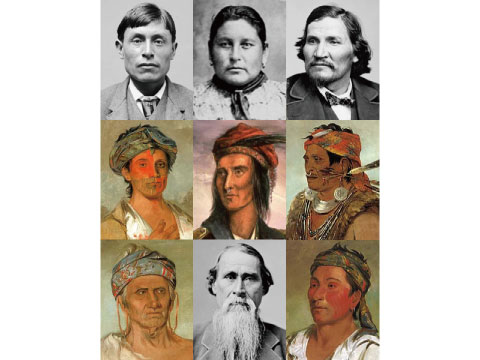

Photo|Portrait of the Shawnee people, who belong to the Algonquin language family.Image credit: Wikipedia
and New York City streetscape
There are two accounts of how the Algonquin got its name. The first traces it directly to the Algonquin people, an Indigenous nation historically spread across a region stretching from present-day Washington, D.C. to New York and into eastern Canada. Once among the largest Indigenous populations in North America, numbering in the hundreds of thousands, their population today has fallen to a few thousand. This story holds that the cocktail’s name honors their culture and history.
The second traces it to the Algonquin Hotel, a historic hotel in midtown Manhattan that became the meeting place for a circle of writers and critics during the 1920s. This drink is widely believed to have originated there, or at least taken its name from it. Since the hotel itself was named after the Algonquin people, either account ultimately leads back to the same source — so crediting the Algonquin people isn’t wrong either way.
Characteristics and Flavor

Rye whiskey forms the backbone here, bringing spice and a touch of bitterness. Dry vermouth adds its own sharp, herbal character, while pineapple juice contributes sweetness and a fruity aroma.
The liquid in the glass sits a pale gold. The first sip delivers rye’s spice alongside vermouth’s herbal notes, with pineapple’s sweetness rounding everything out smoothly. It carries a tropical aroma yet still reads as a proper grown-up cocktail, thanks to rye and vermouth keeping things anchored. At roughly 21–22% ABV, it has real strength while staying easy to drink — the kind of cocktail that makes you want to linger over it with good company.
Tips, Recommendations & Recipe Video
Points, Twists & Food Pairings

Food & Snack Pairings
- Aged cheddar — The cheese’s sharp, nutty depth mirrors rye’s spice, while its richness is cut cleanly by the pineapple’s acidity.
- Grilled pineapple skewers — Caramelizing the pineapple echoes the drink’s own fruit note, deepening the connection rather than just repeating it.
- Charcuterie with dried fruit — The cured meats’ saltiness balances the vermouth’s herbal bitterness, and dried fruit picks up the drink’s sweetness.
Bartender’s Tip
A common mistake is over-shaking, which whips the pineapple juice into a thick, overwhelming foam. Shake hard but briefly — about 10 seconds is plenty to chill and combine without drowning the drink in froth.
Twists
- Smoky Algonquin — Use a peated rye or add a few drops of mezcal for a smokier backbone.
- Tropical Algonquin — Add a splash of orange bitters to brighten the fruit notes further.
- Stirred Algonquin — Skip the shake and stir instead for a clearer, silkier texture with less foam.
I’d personally recommend the smoky version for whiskey drinkers who find the original a touch too fruity — it pulls the drink back toward something more classically spirit-forward.
Recipe Video
- Recipe Video|Nomikata Kitchen Channel Home


